“There’s something special about making something with your own hands.”
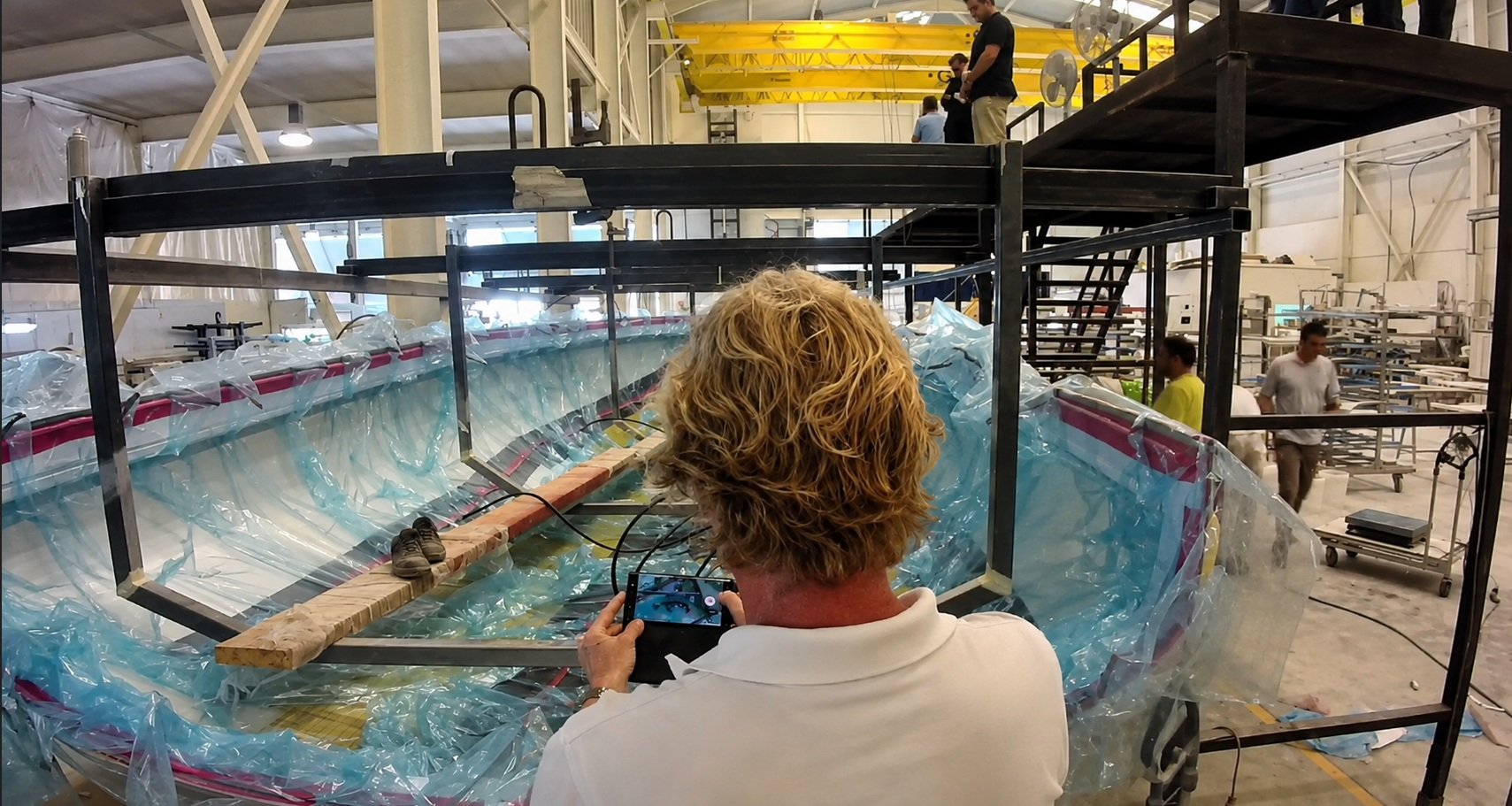
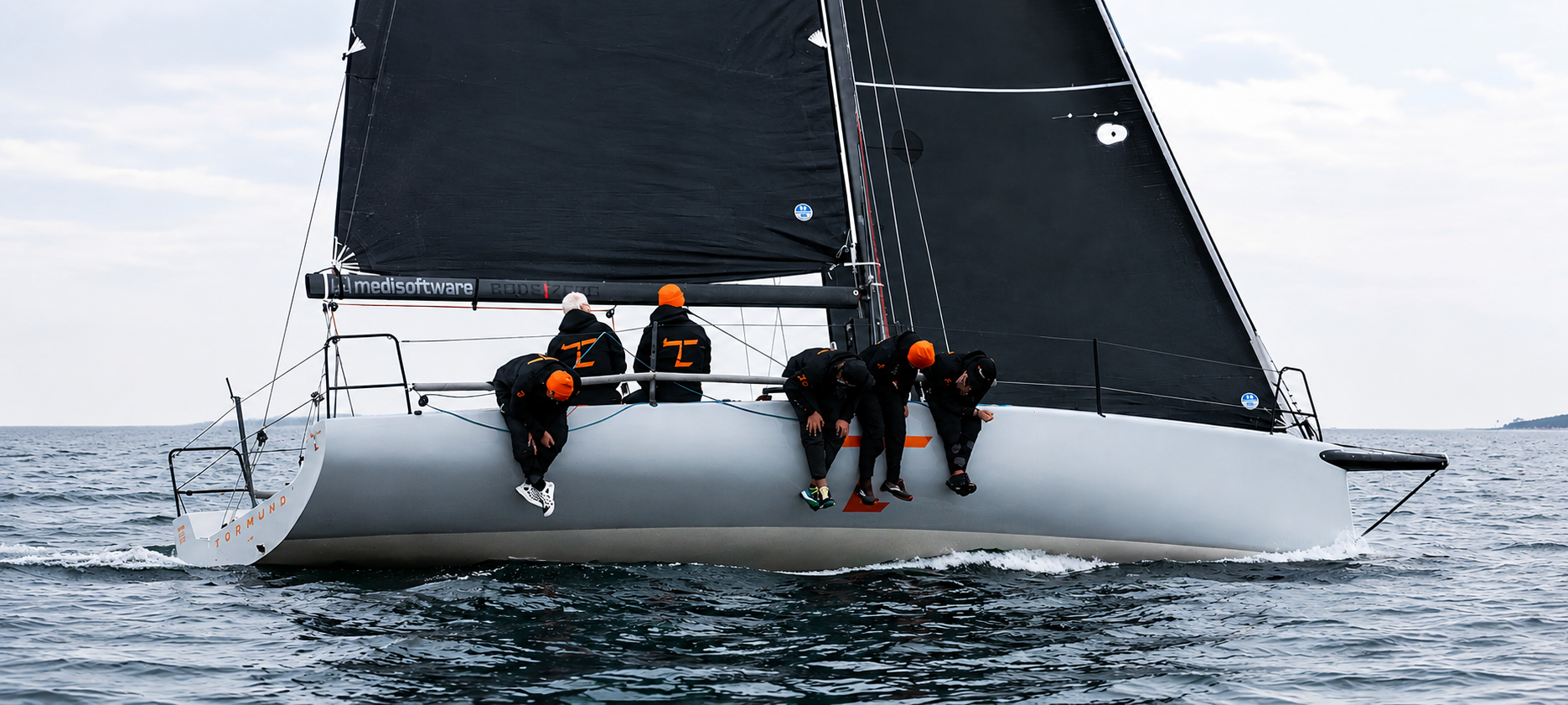
Sixteen years of building and developing high performance sailing yachts. It started in a small workshop, and it took hard work, plenty of mistakes and a team of people who cared about what we were building.
Looking back, I loved (almost) every day of it, not because every day was easy, but because I was making something with my hands, alongside people who took responsibility for their work. And I got to watch the yachts leave the workshop and go out to race.
As the workshop grew into a shipyard, the way we worked had to change too. Engineers, laminators, designers and suppliers each brought different skills, and we did not get everything right the first time, but we learned as we went, until we all worked to the same standard.
More than 650 yachts left the yard. Most of them are still sailing and many are still racing today. The first 37 footer, built in 2004, is still racing in Antigua, and the first 26 footer, built in 2009, is still racing on Lake Maggiore, Italy. In sixteen years, we never received a single warranty claim, and I am proud of that.
Building yachts also meant living a version of the dream I had as a boy, standing next to Flyer. Winning races and sailing some of the most beautiful waters in the world were part of it, and I would not trade those years.
For a long time, I did not think much about what happened when a yacht reached the end of its life. Then I read an article about composite waste, not in a sailing magazine but in a science magazine, and I started digging. In the United States alone, around 1.5 million recreational boats were retired in a single decade, and the usual answer was to cut them up and bury them. And I had built and developed more than 650 yachts.
I still love sailing, and I always will, but I could no longer ignore it. So I stopped building yachts and began developing DANU™, a patented composite technology designed to be recycled and used again, so the material keeps working long after its first life is over.
It started with yachts, but it did not stay there.