“There’s something special about making something with your own hands.”
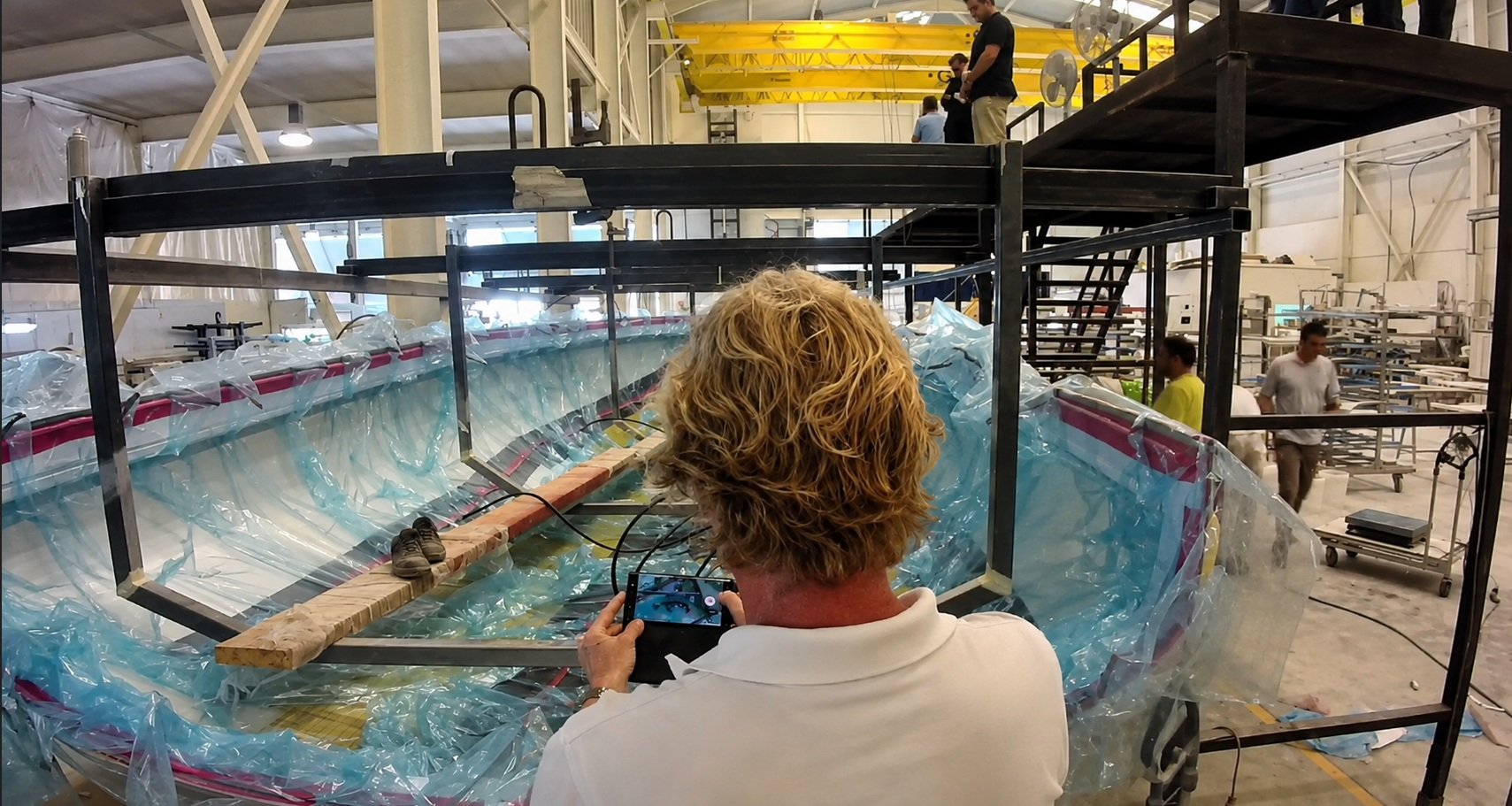
Sixteen years of building and developing high performance sailing yachts. It started in a small workshop, and it was never a straight path. There were setbacks, financial pressure and moments of real doubt, plenty of mistakes, and a team of people who cared about what we were building.
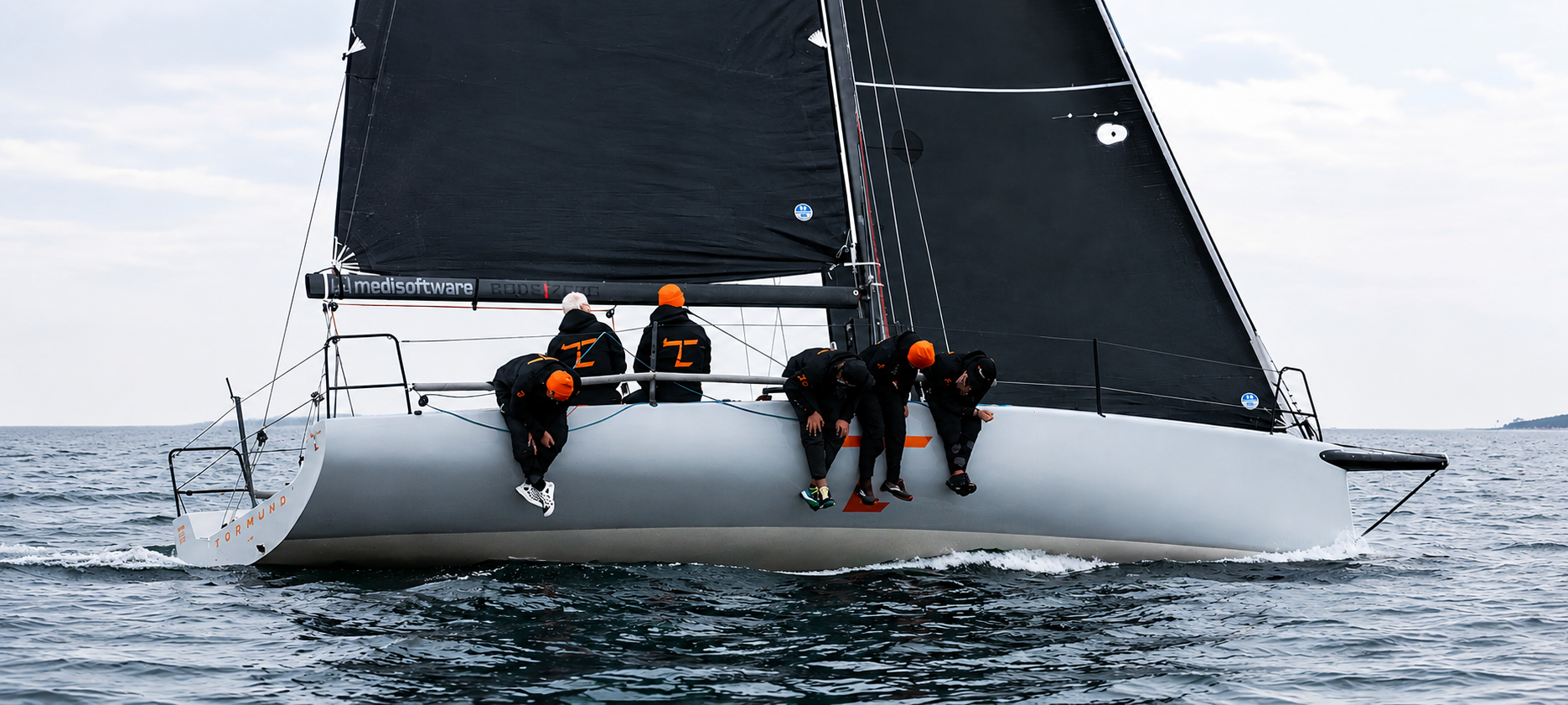
Looking back, I loved (almost) every day of it, not because every day was easy, but because I was making something with my hands, alongside people who took responsibility for their work, and because I got to watch the yachts leave the workshop and go out to race.
As the workshop grew into a shipyard, the way we worked had to change too. Engineers, laminators, designers and suppliers each brought their own skills, and we did not get everything right the first time, but we learned as we went, until we all worked to the same standard.
Today the yachts we built sail from the United States to Asia, from Europe to Africa and across the Caribbean, probably in places I will never hear about. The first 37 footer, built in 2004, is still racing in Antigua, and the first 25 footer, built in 2009, on Lake Maggiore. In all those years, we never received a single warranty claim, and that is what I am proudest of.
Building yachts also meant living a version of the dream I had as a boy. Winning races and sailing some of the most beautiful waters in the world were part of it, and I would not trade those years.
For a long time, I did not think much about what happened when a yacht reached the end of its life. Then I read an article about composite waste, not in a sailing magazine but in a science magazine, and I started digging. In the United States alone, around 1.5 million recreational boats were retired in a single decade, and the usual answer was to cut them up and bury them.
And one day, every yacht we had built would end up the same way.
I love sailing and building yachts. I still do, and I always will. But I love the planet more, and I could no longer keep building something I knew would one day become waste. So I stopped, and began developing DANU™, a patented composite technology designed to be recycled and used again, so the material keeps working long after its first life is over.
It started with yachts, but it did not stay there.